Your HVAC system should run with a steady, low hum in the background. When it starts making noises you have not heard before, that becomes the first warning worth your attention. Property managers, restaurant owners, and homeowners often push these sounds aside for weeks, and by the time a technician shows up, the repair bill has tripled in size. A proper HVAC cleaning service can catch most of these noises early and save you from bigger damage down the line.
Why HVAC Noises Matter More in Commercial Buildings
Offices, retail stores, and warehouses run their HVAC systems 10 to 14 hours a day. A small vibration in a rooftop unit can turn into a full bearing failure within 6 to 8 weeks of nonstop operation. The U.S. Department of Energy reports that heating and cooling systems use close to 40 percent of a commercial building’s total energy bill. A noisy unit is often a unit working harder than it should, which pushes that cost even higher.
For restaurant kitchens and medical offices, the stakes climb higher. Loud duct rattles in a dining room chase customers away. Clogged coils in a clinic raise humidity levels, which affects stored medication and patient comfort. This is why commercial property owners book a preventive HVAC cleaning service twice a year rather than waiting for a full breakdown during peak hours.
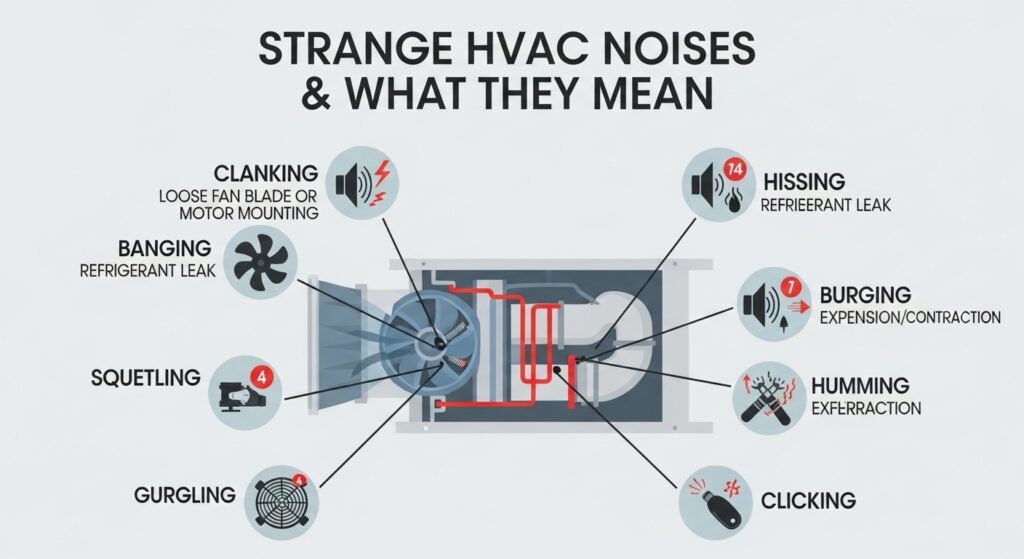
Common Strange HVAC Noises and What Each One Means
Banging and Clanking From the Unit
A loud banging from your indoor or outdoor unit points to a loose part inside the compressor. This can be a rod, a piston pin, or a fan blade hitting the housing. A clanking sound works a bit differently. It means something is rolling around in the blower or the ductwork.
Common causes:
- A broken motor mount letting the blower shift position
- A loose screw or nut inside the unit housing
- Damaged fan blades striking the casing
- Debris stuck inside the ducts or the air handler
Ignoring a bang for more than a week can crack the compressor, and a compressor swap on a commercial rooftop unit runs between $3,500 and $8,000 per NJ market rates.
Whistling and Hissing Sounds
A whistle often comes from air finding a gap where air should not pass. In most offices and restaurants, this means a loose duct joint, a torn filter, or a damaged gasket around the air handler. A hiss carries more weight as a warning. It can point to a refrigerant leak, which is a safety and health concern for anyone in the space.
If your utility bill climbed 15 to 25 percent in a single month with no change in daily usage, a refrigerant line leak is a likely cause. Alongside the added cost, a leak in older R-22 systems pulls chemicals into your indoor air that affect long-term breathing health for your staff and tenants.
Rattling and Vibrating
Rattling is one of the most common HVAC complaints from property managers. For a commercial rooftop unit, rattling often starts after heavy rain, snow, or high winds that shift the outer panels. For indoor ducts, rattling comes from these sources:
- Loose sheet metal on the duct body
- Screws backing out of joints over time
- Debris like leaves, nesting material, or construction dust
- A failing blower motor bearing
Property managers with 5 or more units in a portfolio should walk their roofs every 60 days. A commercial air duct cleaning session clears the inside debris and picks up the loose fasteners before panels blow off the roof during a storm.
Grinding and Squealing
Grinding is a metal-on-metal sound. It points to a motor bearing that has lost its grease, or a belt that has slipped off its pulley. Squealing is higher pitched and usually points to a slipping belt or a dry fan bearing.
Offices that let a grinding unit run past 72 hours end up replacing the full motor. A motor for a 5-ton commercial unit runs $600 to $1,200 plus labor. A bearing replacement caught early costs under $250, which is why early action pays off.
Buzzing and Humming
A low buzz around the outdoor condenser points to loose electrical connections, a failing capacitor, or a contactor going bad. A capacitor swap costs under $200 when caught at the buzzing stage, but a full contactor burnout can damage the control board, which then pushes the repair bill over $1,500.
In restaurants, we see this pattern during summer months when rooftop units run past their rated load. A buzzing unit in July should never wait until August for service, since the heat accelerates component stress.
Popping or Clicking in the Ducts
A soft pop at system startup is fine. That is just metal expanding from the heat. A loud pop every few minutes, or a nonstop clicking, is not fine. Loud pops point to:
- Dirty ducts with heavy dust buildup on the walls
- Undersized return ducts creating pressure imbalance
- A failing relay switch in the control board
For older commercial buildings from the 1970s and 1980s, this noise often ties back to decades of dust and debris inside the trunk lines. A deep HVAC cleaning service clears these lines and pulls out material that has been baked onto duct walls by years of heating cycles.
What Dirty Coils and Blowers Have to Do With Noise
Noises from your HVAC do not always come from broken parts. A blower covered in dust and pet hair runs harder and louder than a clean one. A coil packed with grime cuts airflow, which makes the unit cycle on and off more often. Each cycle comes with its own clicks, whooshes, and bangs that add up across the day.
The EPA covers this in its guidance on HVAC maintenance. You can read the full notes on how buildup affects indoor air and equipment life on the EPA indoor air quality page. Regular coil cleaning and blower servicing cut forced cycling and bring noise levels back to normal.
Signs your coils or blower need attention:
- The blower starts with a groan, not a smooth ramp-up
- Vents push weak air even at the highest fan setting
- Dust collects on vent covers within 2 to 3 days of cleaning
- The unit cycles off every 5 to 10 minutes
Commercial Pain Points That Start With a Small Noise
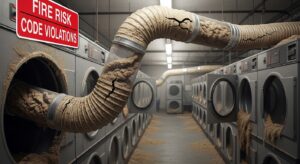
For a shopping center, a single rooftop unit going out in July can shut down tenants for 4 to 6 hours during peak business. For a dental office, a noisy return duct can mask the sound of failing equipment in the exam rooms. For a warehouse, a squealing fan belt can throw sparks into a dust-filled space, which then becomes a fire risk.
A 2023 report from NADCA, the national body for HVAC cleaning standards, showed that buildings with a scheduled cleaning program cut emergency HVAC service calls by close to 60 percent.
When property managers set up a proper HVAC cleaning service calendar, they also report:
- Lower monthly energy costs, around 5 to 15 percent
- Longer equipment life, often 3 to 5 extra years of service
- Fewer tenant complaints about air quality and temperature swings
- Fewer after-hours emergency calls that come with overtime labor rates
Homeowners Face the Same Problem on a Smaller Scale
For a family home, strange HVAC noises show up at the worst time, such as late at night, during a heat wave, or in winter when you cannot shut the system off. Parents with young kids or family members with asthma feel this more than anyone. A buzzing unit at 2 a.m. is more than a sleep problem. It is a signal that a part is working past its service life and close to failure.
Most homes need a full system check every 12 months and a duct cleaning every 3 to 5 years per EPA guidance. Pets, smoking, recent renovations, and nearby construction work all push that interval shorter. If the noise shows up right after a remodel or new flooring, dust pushed into the ducts is usually the cause, and a full cleanout brings the system back to quiet operation.
When to Book a Service Call
Some noises can wait a week. Others cannot wait a day. Here is a quick guide based on what you are hearing:
- Soft clicks and pops at startup: monitor, book at your next interval
- Whistling from vents: schedule within 2 weeks
- Rattling, vibration, humming: schedule within 1 week
- Grinding, squealing, loud banging: call for same-day service
- Burning smell along with any noise: shut the unit off and call the same hour
Stop the Noise Before It Turns Into a Full Breakdown
A noisy HVAC system is not just an annoyance for your staff, tenants, or family members at home. It is the first warning that a bigger failure is close behind. The longer you wait, the higher the repair bill climbs, the colder your storefront or dining room gets in winter, and the more customers or tenants you lose to discomfort and complaints.
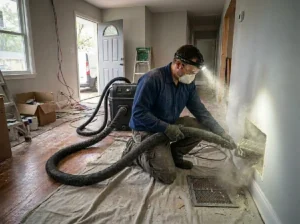
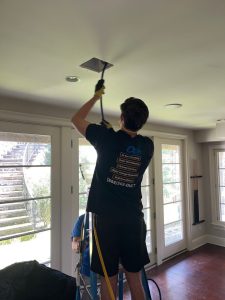
We at Alpha Clean Air handle HVAC cleaning, coil servicing, blower work, and full duct inspections across New Jersey, New York, Pennsylvania, and Connecticut for commercial and residential clients. Our NADCA-certified team uses compressed air, brushes, and EPA-approved cleaning agents to pull out every source of those strange noises before they turn into a shutdown. If your unit has been making sounds you cannot explain, reach out through our contact page for a same-day quote and a full system inspection.