You turn on your HVAC system expecting clean, comfortable air. Instead, dust particles drift from the vents, a musty smell fills the room, and your allergies flare up within minutes. Most New Jersey homeowners face this exact scenario without realizing the source of their discomfort lies hidden inside their ductwork.
Your air ducts circulate air throughout your entire home, which means whatever accumulates inside them eventually reaches your lungs. According to the EPA, indoor air can be 2 to 5 times more polluted than outdoor air, regardless of whether homes are located in rural or urban areas. Since New Jerseyans spend approximately 90% of their time indoors, the quality of air circulating through your ducts directly impacts your family’s health every single day. These statistics explain why so many New Jersey families experience health issues inside their own homes despite keeping everything clean.
Regular vacuuming and dusting only remove surface dust. The real buildup stays deep inside ductwork where household tools cannot be reached. Expert air duct cleaning in New Jersey targets hidden contamination deep inside your ductwork. Their specialized equipment removes years of trapped dust and pollution that DIY cleaning cannot reach.
Reason #1: Contaminated Ducts Force Families to Breathe Harmful Air
Seasonal allergies often get blamed for constant sneezing. A child’s persistent cough seems like something that will clear up on its own. What many homeowners do not realize is that ductwork has been recycling contaminated air through every room for months or even years.
Even the average six-room home collects 40 pounds of dust annually in its air ducts. This contamination recirculates through the HVAC system 5 to 7 times per day. Every breath the family takes passes through this accumulated debris first.
What Actually Lives Inside Ducts
- Dust mites triggering allergic reactions
- Mold spores causing respiratory inflammation
- Pet dander recirculating continuously
- Bacteria surviving between cleaning cycles
- Pollen settled permanently inside ductwork
Who Faces the Greatest Risk
- Children are more sensitive to polluted indoor air
- Elderly family members are more vulnerable to contaminants
- Allergy and asthma sufferers react more inside the home
Reason #2: Dirty Ducts Drain Hundreds From the Bank Account Every Month
The utility bill arrives showing numbers higher than expected. Nothing has changed in household habits, yet energy costs keep climbing. The explanation hides inside ductwork where dust and debris coat interior surfaces and restrict airflow.
When airflow becomes restricted:
- Motors run longer than necessary
- Fans strain against resistance
- Energy consumption increases with every cycle
- Inefficiency compounds silently month after month
Point to Note: A dust layer just 0.42 inches thick on heating or cooling coils decreases system efficiency by 21%.
The Real Cost of Ignoring Ductwork
| Problem | What It Costs |
| Restricted airflow | Blower motor runs 40% longer |
| Dust-coated coils | Efficiency drops 21% or more |
| Extended run cycles | System operates extra hours daily |
| Uneven temperatures | Constant adjustments waste energy |
Quick Check:
25% to 40% of heating and cooling energy is wasted due to contamination. Proper HVAC maintenance can reduce energy bills by 20% to 30%.
How Small Bills Become Thousands Lost
That extra $50 per month seems minor at first glance. Easy to overlook. Simple to ignore. But those small increases compound relentlessly:
- Month 1: Extra $50 on the utility bill
- Year 1: $600 gone with nothing to show
- Year 3: $1,800 wasted on contaminated ducts
- Year 5: $3,000+ vanished into thin air
Five years without professional cleaning means $3,000 to $4,500 disappearing from the household budget. That amount exceeds professional cleaning costs many times over. Meanwhile, contamination keeps building, efficiency keeps dropping, and losses keep accelerating.
Complete duct cleaning addresses the fan, motor, coils, and all internal components. Most homeowners find energy savings to cover the entire service cost within the first year.
Reason #3: Neglected Ducts Destroy HVAC Investments
Heating and cooling systems cost between $5,000 and $15,000 to install. The expectation is 15 to 20 years of reliable service, but what many homeowners do not realize is that dirty ductwork shortens that lifespan dramatically.
When contamination builds throughout duct systems:
- HVAC equipment compensates by working harder
- Motors strain against restricted airflow
- Coils struggle to transfer heat through dust layers
- Constant strain accelerates wear on every component
Components That Fail Before Their Time
- Blower motors overheat and fail
- Evaporator coils freeze from dust blockage
- Compressors overwork and burn out
- Fan belts crack under strain
- Electrical connections degrade from excess heat
The Service Years Lost
Well-maintained systems with clean ductwork last 30% to 50% longer than neglected equipment. For a system expected to last 15 years, that means five to seven additional years of reliable service.
Systems passing five years without professional duct cleaning may already have internal damage. Early intervention protects the original investment before minor contamination becomes major equipment failure.
Reason #4: New Jersey Humidity Turns Ducts Into Mold Breeding Grounds
New Jersey summers bring oppressive humidity that follows everyone indoors. While air conditioning removes moisture from the air, much of it collects inside ductwork. Any slow drainage or standing water creates exactly the environment mold requires.
Once mold takes hold inside ducts, it spreads throughout the connected system. Every HVAC cycle distributes spores through every vent in the home. The problem compounds because mold thrives in the same cool, damp conditions that air conditioning creates.
Did You Know? Mold spores can colonize damp surfaces within 24 to 48 hours. Once established, colonies spread throughout the entire system within weeks.
How Mold Colonizes Duct Systems
- Summer humidity condenses on cool surfaces
- Condensation collects in low points
- Standing moisture feeds spore growth
- Colonies spread through connected ductwork
- Spore release continues year-round
What Mold Exposure Does to Families
Indoor dampness and mold showed consistent associations with:
- Asthma development
- Respiratory infections
- Bronchitis
- Allergic rhinitis in both allergic and nonallergic individuals
That musty smell drifting from vents signals mold presence throughout the duct system. Eliminating it requires professional treatment with antimicrobial compounds that sanitize ductwork without introducing harsh chemicals.
Reason #5: Mysterious Odors Have Sources Nobody Can Reach
Homeowners try air fresheners, open windows, and clean every visible surface thoroughly. Yet that stale, musty smell keeps returning. The source hides inside ductwork where no household tool can reach.
Unpleasant odors from vents indicate contamination accumulated over months or years. That smell travels through the entire duct system and exits through every register. The only solution is removing contamination at its source.
What Creates Persistent Smells
- Mold producing damp, basement-like odors
- Pest droppings creating foul smells
- Organic matter developing staleness
- Deceased animals decomposing unseen
- Tobacco residue releasing for years
When Odors Signal Danger
Burning smells during system operation may indicate electrical problems or overheating motors. Shut down immediately and get professional inspection before restarting.
Rotten egg or sulfur smells may indicate gas leaks requiring emergency response. These warning signs should never be ignored or attributed to normal duct contamination.
Reason #6: Clogged Dryer Vents Create Serious Fire Hazards
Most homeowners focus on air duct cleaning without realizing dryer vents pose even more immediate danger. Lint accumulation restricts airflow, causes overheating, and creates conditions for house fires.
According to the National Fire Protection Association:
- Approximately 15,970 home fires annually involve dryers
- Failure to clean accounts for 34% of these incidents
- Lint buildup remains the leading material first ignited
Warning Signs Requiring Immediate Attention
- Clothes requiring multiple drying cycles
- Dryer exterior becoming unusually hot
- Burning smell during operation
- Lint accumulating around the door
- Vent hood flap not opening properly
Warning: Lint is highly flammable and ignites at low temperatures. When trapped in a restricted vent with an overheating dryer, fire can spread within minutes.
Why DIY Cleaning Cannot Fix Air Duct Issues
Purchasing a duct cleaning kit or attaching a vacuum hose to vents seems reasonable. Unfortunately, DIY methods cannot address contamination causing indoor air quality problems.
Limitations of Household Equipment
- Consumer vacuums lack sufficient suction power
- Standard hoses cannot navigate duct bends
- No agitation equipment to loosen debris
- Improper technique spreads contamination
- Risk of damaging duct connections
What Professional Duct Cleaning Involves
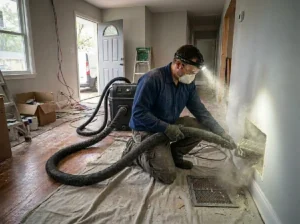
Alpha Clean Air’s NADCA-certified technicians follow a systematic process ensuring thorough contamination removal:
- Safety testing including carbon monoxide detection before work begins
- Complete disassembly of all grills and filters for full access
- Component cleaning of fan, motor, and internal parts using compressed air
- High-powered ductwork cleaning removing all accumulated debris
- Return air system attention ensuring complete circulation path coverage
- Natural sanitizing with tea tree oil compound eliminating biological contaminants
This process typically requires two to four hours depending on home size and contamination severity.
How Often to Schedule Air Duct Cleaning
Most homes benefit from professional cleaning every 3 to 5 years under normal conditions.
Situations Requiring More Frequent Service:
| Situation | Recommended Frequency |
| Pets in household | Every 2 to 3 years |
| Allergies or asthma | Every 2 to 3 years |
| Smokers in home | Every 2 years |
| Recent renovation | Immediately after |
| Visible mold | Immediately |
| Pest infestation | After extermination |
| New home purchase | Before moving in |
When to Schedule Immediately
Certain situations warrant immediate professional attention rather than waiting for your next scheduled cleaning:
- Visible mold anywhere in your HVAC system or ductwork
- Pest evidence including droppings, nesting materials, or dead animals
- Post-renovation debris from construction, remodeling, or repair work
- Water damage affecting any portion of your duct system
- Burning odors when your HVAC system operates
- Sudden increase in respiratory symptoms among household members
Tips to Minimize Contamination Between Cleanings
Filter Maintenance
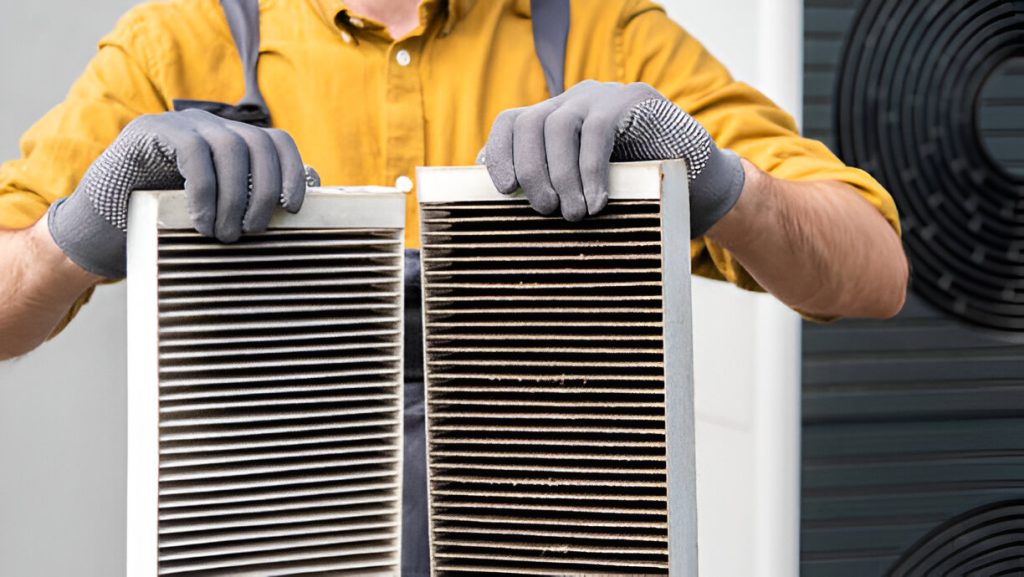
- Replace standard filters every 30 to 60 days
- Upgrade to MERV 11 or higher
- Check monthly during heavy use
Humidity Control
- Maintain 30% to 50% indoor humidity
- Use exhaust fans in bathrooms and kitchens
- Address leaks promptly
General Cleanliness
- Vacuum weekly with HEPA equipment
- Dust with microfiber cloths
- Groom pets regularly
Renovation Protection
- Seal registers before construction begins
- Close vents in work areas
- Schedule cleaning after completion
Quick Checklist: Does the Home Need Professional Cleaning?
☐ Visible dust from registers when system runs
☐ Dark discoloration around vent covers
☐ Musty odors from vents
☐ Year-round allergy symptoms indoors
☐ Increased respiratory issues at home
☐ Uneven heating or cooling
☐ Rising utility bills without explanation
☐ Over 3 years since last cleaning
☐ Recent renovation project
☐ Dryer requiring extended cycles
Three or more checked boxes indicate professional attention is needed.
FAQs
How often should air ducts be cleaned in New Jersey?
Every three to five years under normal conditions. Homes with pets, allergy sufferers, smokers, or recent renovations benefit from more frequent service. New Jersey’s humidity makes regular cleaning particularly important for preventing mold growth.
Will duct cleaning reduce allergy symptoms?
Many families report significant symptom improvement after professional cleaning removes accumulated dust, pollen, pet dander, and mold spores that trigger allergic reactions.
Final Thoughts
Contaminated ductwork is not just a maintenance issue, it directly affects how your home feels, costs to run, and supports your family’s daily health. Over time, hidden buildup creates problems that keep getting harder to ignore. You deserve cleaner air at home. Your family deserves healthier spaces. And your energy use should reflect real efficiency, not a struggling system. Alpha Clean Air helps New Jersey homeowners address these concerns with a full-system approach, transparent pricing, flexible scheduling, and NADCA-certified technicians who follow detailed cleaning protocols backed by a satisfaction guarantee. If the air in your home doesn’t feel fresh anymore, it might be time to bring that clean, fresh feeling back again.