Mold in air vents creates more than just an unpleasant smell. It quietly affects indoor air quality, triggers allergies, and reduces HVAC efficiency. Many homeowners ignore early signs because they assume dust or humidity causes the problem. In reality, mold often hides deep inside ductwork where air circulation stays weak, and moisture builds up.
Professional air ventilation cleaners see that most mold problems start small but grow quickly when people overlook routine maintenance. Mold spores travel through the air system and spread across rooms without warning. That means one contaminated vent can affect an entire home.
Here is how mold develops in air vents, how you can prevent it, and what steps actually work for treatment.
How Mold Forms Inside Air Vents
Mold needs three things to grow: moisture, organic material, and limited airflow. Air vents provide all three when conditions go wrong.
Dust collects inside ducts over time. This dust contains skin cells, fibers, and other particles that mold uses as food. When humidity enters the system, the environment becomes ideal for growth.
Air conditioning systems often create condensation. That moisture settles inside ducts, especially in poorly insulated sections. When airflow stays weak, the moisture does not dry out quickly. Mold then starts forming on vent walls, coils, and filters.
Temperature changes also contribute. Warm air meeting cool duct surfaces creates condensation pockets. These pockets stay hidden and continue feeding mold growth for weeks before anyone notices.
Also read: Air Duct Cleaning vs Duct Sealing vs Duct Replacement
Common Signs of Mold in Air Vents
You can often detect mold early if you pay attention to subtle changes in your home environment.
One of the first signs involves smell. A musty or earthy odor spreads through rooms when the HVAC system runs. This smell usually grows stronger when you turn on the heating or cooling.
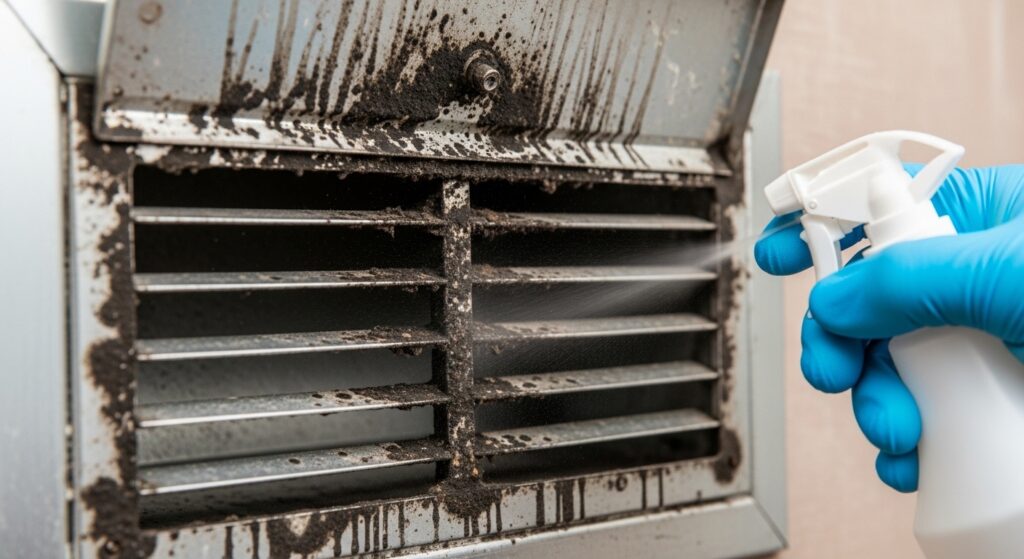
Another sign includes visible dust buildup around vents that looks darker than usual. Sometimes, you may notice small black or green patches near air registers.
Health symptoms also offer clues. People often experience:
- Frequent sneezing without a clear cause
- Watery eyes or nasal irritation indoors
- Headaches that improve when leaving the house
- Increased asthma or allergy reactions
Uneven airflow can also indicate mold buildup. When ducts clog with debris and mold, air struggles to move freely, causing weak ventilation in certain rooms.
Health Risks Linked to Mold in Air Vent Systems
Mold exposure affects people differently, but the risks grow when exposure continues over time. The spores released through vents enter the respiratory system easily because they travel with the air.
Children and older adults experience stronger reactions. Their immune systems struggle to handle repeated exposure. Even healthy adults can develop symptoms if mold continues spreading inside the system.
Common health effects include:
- Chronic coughing or throat irritation
- Sinus congestion and breathing discomfort
- Skin irritation or rashes
- Worsening of asthma symptoms
Some mold types release mycotoxins, which may cause more severe reactions in sensitive individuals. While not every mold strain produces toxins, you cannot identify them without proper inspection. This makes prevention and treatment essential rather than optional.
Also read: Difference Between Air Duct Cleaning and HVAC Maintenance
Main Causes Behind Mold Growth in Air Vents
Mold does not appear randomly. It grows due to specific conditions that often develop inside HVAC systems.
Excess Humidity Indoors
High humidity creates constant moisture inside ducts. Homes in coastal or humid climates face higher risks because moisture levels rarely drop enough to keep ducts dry.
Poor Air Filtration
Low-quality or clogged filters allow dust and organic particles to enter the system. These particles settle inside ducts and feed mold growth.
Leaky Ductwork
Leaks allow warm air to enter cold duct areas. This temperature imbalance creates condensation that mold uses for growth.
Irregular HVAC Maintenance
When homeowners ignore regular cleaning, dust accumulates year after year. That buildup creates the perfect base for mold colonies.
Water Intrusion
Roof leaks or plumbing issues near HVAC units introduce moisture directly into duct systems. Even small leaks can trigger mold spread over time.
Prevention Starts With Controlling Moisture
Moisture control plays the most important role in preventing mold in air vents. Without moisture, mold cannot survive.
You should keep indoor humidity between 30% and 50%. A dehumidifier helps maintain this range, especially in humid seasons. Air conditioners also reduce humidity, but only when they function properly and stay clean.
Fixing leaks immediately prevents water from entering duct systems. Even a small drip can create long-term mold problems if left unchecked.
Proper insulation around ducts also matters. It prevents condensation when warm and cold air meet inside metal ducts.
Clean The Air Vents Before Mold Takes Over
Routine cleaning prevents mold from establishing itself inside ducts. Most homeowners underestimate how quickly dust accumulates inside ventilation systems.
Cleaning should focus on more than just visible vent covers. Deep duct cleaning removes hidden debris that supports mold growth.
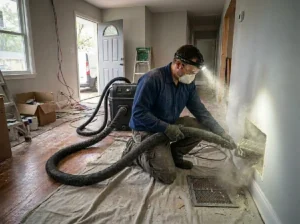
Professional cleaners often use specialized vacuum systems and brushes that reach deep inside ducts. This process removes dust, spores, and buildup that normal cleaning cannot reach.
This is where air ventilation cleaners play an important role. They identify contamination levels inside duct systems and remove mold before it spreads further. Their tools and techniques reach areas homeowners cannot access safely.
When Mold Requires Professional Treatment
Not every situation needs heavy intervention, but certain conditions demand professional help.
If mold covers large sections of ductwork, simple cleaning will not solve the issue. Mold that returns after cleaning also indicates deeper contamination.
A strong, persistent smell inside multiple rooms usually means mold has spread through the entire HVAC system. In such cases, surface cleaning will not fix the problem.
Professionals inspect:
- Internal duct surfaces
- HVAC coils and filters
- Drain pans and moisture points
- Airflow efficiency across the system
They also test air quality to identify spore levels inside the home.
Treatment Methods for Mold in Air Vents
Effective treatment involves a combination of cleaning, disinfection, and prevention.
Deep Duct Cleaning
Technicians remove dust and debris from inside ducts using mechanical brushing and high-powered suction systems. This step eliminates the food source for mold.
Mold Removal Agents
Special antimicrobial solutions kill existing mold colonies. These solutions also prevent regrowth for a limited time.
HVAC Component Cleaning
Technicians clean evaporator coils, blower fans, and drain pans because mold often grows in these areas due to constant moisture.
Air Filter Replacement
Replacing filters ensures that new spores do not circulate through the system again.
System Drying
Drying ductwork eliminates leftover moisture. This step reduces the chance of mold returning.
Preventive Habits That Actually Work
Simple habits make a big difference in preventing mold inside air vents.
- Keep vents unobstructed, so air flows freely through the system. Blocked vents trap moisture and dust.
- Run fans or HVAC systems regularly to maintain airflow. Stagnant air increases humidity inside ducts.
- Change filters every 1 to 3 months, depending on usage. Clean filters improve airflow and reduce contamination.
- Keep indoor plants balanced. While plants improve air quality, too many of them can raise indoor humidity.
- Schedule periodic inspections, especially before summer and winter seasons when HVAC usage increases.
Role of Air Quality Awareness in Long-Term Prevention
Most mold problems grow silently because people ignore air quality until symptoms appear. Understanding how air moves through your home helps you prevent contamination early.
Pay attention to small changes in smell, airflow, and comfort levels. These signals often appear before visible mold develops.
Homes with consistent ventilation and balanced humidity rarely face severe mold problems. That makes awareness one of the strongest prevention tools.
Keep Your Air Vents Clean and Safe with Alpha Clean Air
Mold in air vents develops quietly but spreads quickly once it finds the right conditions. You can prevent most issues by controlling moisture, maintaining airflow, and cleaning HVAC systems regularly.
Small actions create long-term protection. When you combine routine maintenance with timely inspections, you reduce the chances of mold growth significantly.
At Alpha Clean Air, our trained air vent cleaners restore the system and prevent further damage. They have professional tools and equipment to deeply clean the vents, leaving no signs of mold behind. Feel free to call us anytime and schedule an appointment. Our customer support is available 24/7.