Navigating the sea of AC options can be tricky. You’re considering PTAC units, but you’re curious about their energy consumption. Don’t fret! We’re here to dissect this for you.
We’ll compare PTACs with other AC systems, delve into the factors affecting their electricity use, and explore energy-efficient options.
By the end, you’ll not only understand if PTAC units guzzle electricity, but also gain insights on how to reduce their power consumption.
Let’s dive in!
Understanding PTAC Units’ Energy Consumption
To understand how much electricity your PTAC unit uses, it’s crucial to examine its energy efficiency ratings and operational habits.
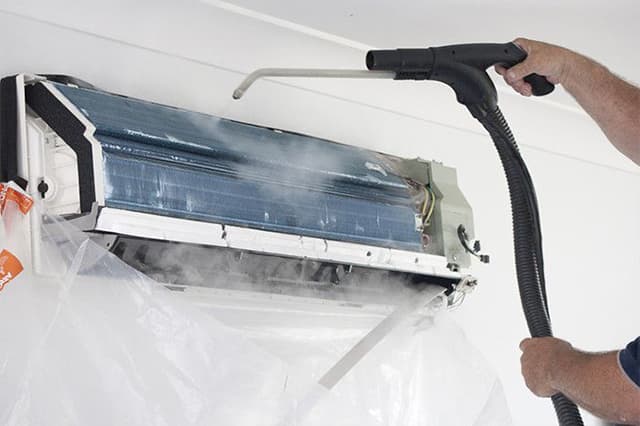
PTAC maintenance practices significantly impact the unit’s energy consumption. Regular upkeep, such as cleaning filters and coils, ensures optimal efficiency, reducing electricity use. Conversely, neglecting maintenance can lead to excessive energy consumption.
Additionally, consider the PTAC lifespan implications. An older, less efficient unit tends to use more electricity than newer models. Therefore, if your unit is nearing the end of its lifespan, you might notice a spike in power usage. To curb electricity consumption, you’ll want to upgrade to a unit with a high energy efficiency rating. Before buying a new, consult PTAC cleaning company for better advise.
Comparing PTACs to Other AC Systems
When comparing your PTAC unit’s energy use to other air conditioning systems, it’s crucial to remember a few key differences.
PTAC units are typically more efficient in smaller spaces, such as hotel rooms or small apartments. This is due to their design which facilitates direct, localized cooling.
Larger, central AC systems, on the other hand, are designed to cool entire homes or buildings, which generally requires more energy.
Following PTAC maintenance tips can enhance efficiency and extend the unit’s lifespan. Regular cleaning, filter replacements, and proper insulation can reduce energy consumption significantly. Furthermore, correct adherence to a PTAC installation guide ensures optimal performance.
In essence, while PTAC units can consume considerable power, they’re often more energy-efficient in appropriate settings compared to other AC systems.
Also read: Understanding PTAC Cleaning: What You Need to Know
Factors Affecting PTAC Electricity Use
You might be wondering what factors can affect the amount of electricity your PTAC unit uses. Several variables come into play, some of which you can control, some not.
- PTAC maintenance practices: Regular cleanings and tune-ups ensure your unit runs efficiently, consuming less electricity.
- Seasonal PTAC usage: The unit’s energy consumption might increase during peak summer or winter months due to higher usage.
- Unit age: Older units often consume more electricity as they become less efficient.
- Insulation quality: Poor insulation could lead to your PTAC working harder, resulting in higher electricity usage.
- Temperature setting: The cooler or warmer you set your unit, the more energy it’ll consume.
Understanding these factors helps you optimize your PTAC usage to save on electricity costs.
Energy-Efficient PTAC Unit Options
Considering these factors, there are several energy-efficient PTAC units on the market that you could choose to limit your electricity usage. These sustainable PTAC models incorporate advanced technologies, such as variable speed motors and high-efficiency compressors, to reduce energy consumption. Furthermore, they’re designed to operate at optimal levels even in extreme weather conditions, ensuring that you don’t have to compromise on comfort to save energy.
However, even the most energy-efficient PTAC unit won’t perform well without proper maintenance. Regular PTAC maintenance practices, including cleaning or replacing filters, checking refrigerant levels, and inspecting components for wear and tear, are crucial. They not only prolong the unit’s life but also maintain its energy efficiency over time. Hiring professional PTAC Cleaning Company will help.
Reducing Your PTAC Unit’s Power Consumption
So, how can you further reduce your PTAC unit’s power consumption? There are several strategies you can implement:
- Install Programmable Thermostats: These devices allow you to set specific temperatures for different times of the day, reducing energy use when it’s not needed.
- Utilize Eco Mode Features: This setting minimizes energy consumption by adjusting the unit’s operation based on room conditions.
- Regular Maintenance: Ensuring your unit is clean and well-maintained can significantly improve its efficiency.
- Proper Insulation: Insulating your space can reduce the load on your PTAC unit, saving energy.
- Mindful Usage: Be conscious of your usage habits. Turn off the unit when not in use.
PTAC Cleaning Company also ensure that your unit consumes less power and remains efficient throughout the year.
Conclusion
In essence, PTAC units can be energy hogs if not managed correctly. Consider this – a poorly maintained PTAC can consume as much electricity as 50 LED lights running simultaneously.
However, by choosing energy-efficient models, maintaining your unit, and using it strategically, you can reduce this power drain significantly.
It’s like keeping a powerful horse – with the right care and training, it can be an asset rather than a liability. For more consult Alpha Clean Air Professional experts today!