Most homeowners stay on top of filter changes, annual HVAC tune-ups, and regular cleaning. Yet persistent dust, unexplained allergy flare-ups, and a system that works harder than it should keep pointing to a problem of routine maintenance never touches: the ductwork running through every wall, floor, and ceiling in the home.
Your air ducts should be cleaned when you notice dust returning unusually fast, musty odors when the system runs, allergy or asthma symptoms consistently worse indoors, filters clogging sooner than expected, uneven airflow between rooms, or energy bills rising without explanation. NADCA recommends professional cleaning every three to five years for most homes. Homes with pets, allergy sufferers, recent renovations, or any history of moisture need it more frequently.
The EPA estimates that Americans spend approximately 90 percent of their time indoors. Indoor pollutant concentrations run two to five times higher than outdoor levels in many homes. The ductwork circulating air through your home is a primary pathway for those pollutants reaching every room with every cycle.
What Actually Lives Inside Your Air Ducts
Most homeowners have no idea what is building inside a system they cannot see. The answer surprises almost everyone who finds out. Air ducts in homes not cleaned for three or more years contained an average of 40 pounds of dust and debris. Every time your HVAC system runs, it pulls air from every room, passes it through the ducts, conditions it, and sends it back. Everything floating in your indoor air travels through that system repeatedly.
What Accumulates Inside Residential Ductwork Over Time
| Contaminant | Where It Comes From |
| Dust and dead skin cells | Everyday living and movement |
| Pet dander and hair | Bypasses even quality filters |
| Pollen and outdoor allergens | Pulled through return vents |
| Mold and mildew spores | Moisture inside the duct system |
| Rodent droppings and nesting material | Pest entry through vent terminations |
| Construction dust and drywall particles | Past renovations and remodels |
| VOC residue | Cleaning products and off-gassing materials |
None of this stays stationary. Every time the system kicks on, it gets redistributed through every room in your home.
Pro Tip:
Hold a white tissue near a supply vent when the system turns on. If it comes away with visible dust or debris, the ductwork is overdue for a professional inspection.
10 Signs Your Air Ducts Need Cleaning That Most Homeowners Ignore
These signs appear long before most homeowners act on them. Recognizing them early prevents bigger health consequences and higher costs down the road.
Sign 1: Dust Returns Almost Immediately After Cleaning
You dust surface on Monday and by Wednesday a visible layer is back. Most people blame outdoor air or an old home. The real cause is the HVAC system redistributing dust from inside the ducts every time it runs.
If your home feels persistently dusty no matter how often you clean, the dust is cycling through ductwork and resettling on every surface. Cleaning surfaces more often is not the solution. It is a symptom pointing to what is happening inside the system.
Sign 2: Allergy or Asthma Symptoms Worse Indoors
If family members notice symptoms consistently worse at home than outside, particularly when the HVAC system is running, dirty ductwork is a likely cause.
Dust mites, pet dander, mold spores, and pollen accumulate inside ducts and get recirculated continuously. Pay attention to whether symptoms improve when family members spend extended time away from home. If they do, indoor air quality is almost certainly the factor.
Did You Know?
The American College of Allergy, Asthma, and Immunology reports that 50 percent of all illnesses are caused or aggravated by polluted indoor air.
Sign 3: Musty or Stale Odors When the System Runs
A musty smell that appears when the HVAC system turns on often signals mold or mildew inside the ductwork. Moisture enters through condensation, leaky seals, or humid crawlspaces, then settles on dust buildup where it spreads through the airflow.
- Often mistaken for an “old-house” smell
- Indicates biological growth inside ductwork
- Will persist until ducts are properly cleaned at the source
Sign 4: Visible Dust or Debris Puffing From Vents
Air vents should release clean, invisible airflow during operation. Dust or debris coming out when the system starts points to heavy internal buildup that is being pushed back into the space.
- Dust becomes visible at startup or airflow changes
- Indicates clogged ducts and reduced filtration efficiency
- Suggests buildup has shifted airflow patterns inside the system
Sign 5: Filters Clogging Faster Than Normal
Air filters should typically last one to three months. When they clog within weeks, it signals excessive debris circulating through the duct system beyond normal levels.
- Filters needing frequent replacement
- Indicates deep duct buildup overwhelming filtration
- A symptom of neglected duct cleaning, not a filter issue
Sign 6: Uneven Airflow Between Rooms
Some rooms feel noticeably warmer or cooler than others despite consistent thermostat settings. HVAC systems are balanced to deliver consistent airflow throughout the home. When airflow becomes uneven, something inside the system is restricting it.
Buildup at bends and transitions, collapsed flexible ductwork, or debris at specific duct sections all create restriction. Uneven airflow is rarely a thermostat problem. It is almost always a ductwork problem.
Sign 7: Energy Bills Rising Without an Obvious Cause
When ductwork is clogged, airflow restriction forces the HVAC system to work harder. It runs longer cycles to reach the thermostat’s target temperature. That extra effort shows up directly on energy bills.
Homeowners often attribute rising bills to aging equipment or rate increases. Dirty ductwork rarely gets considered, yet it is one of the most straightforward problems to fix. Alpha Clean Air’s NADCA-certified technicians use advanced equipment to remove buildup from the full length of ductwork. Our technicians inspect the entire system before cleaning so you know exactly what you are dealing with before any work begins.
Sign 8: You Have Pets That Shed
Pet hair and dander build up inside ductwork faster than dust alone. Over time, they trap more debris and reduce overall air quality throughout the home.
- Accumulation happens faster in homes with pets
- Heavy-shedding breeds increase buildup significantly
- Standard cleaning schedules for pet-free homes do not apply
NADCA recommends cleaning every two to three years for homes with pets, compared to the typical three to five year interval for pet-free environments.
Sign 9: Recent Renovation or Construction Work
Renovation generates enormous amounts of fine dust, particularly from drywall cutting, sanding, and demolition. Even with ducts sealed during construction, fine particulates enter the system. Drywall dust passes through many filters and creates dense, compacted buildup inside ducts that dramatically reduces airflow.
Any significant renovation, even a single room remodel, warrants a post-construction duct cleaning before the system returns to normal operation.
Sign 10: Moving Into a Previously Owned Home
When you move into a home with no duct cleaning history, you have no way of knowing what has accumulated inside those ducts. Previous occupants may have had pets, smokers, mold issues, or simply never scheduled professional cleaning. Starting with a baseline cleaning removes whatever the previous occupants left behind.
Major Warning!
This warning sign appears in almost no duct cleaning content. It is also one of the most serious risks associated with neglected ductwork.
When return vents or duct pathways become significantly blocked in a home with gas appliances, the pressure balance inside the HVAC system can shift. In severe cases, this pressure change can cause combustion gases from furnaces or water heaters, including carbon monoxide, to be drawn back into the living space rather than exhausted safely outside.
Signs That Require Immediate Cleaning, Not Just Scheduling
Some situations are not wait-for-the-next-appointment scenarios. These require booking a professional inspection as soon as possible.
Clean Immediately If You Notice Any of These:
- Visible mold on or near any vent or HVAC component
- Evidence of rodent or insect infestation inside the duct system
- A burning or chemical smell coming specifically from vents
- Droppings, nesting material, or animal remains near registers
- Water damage or flooding affecting any part of the home
- Carbon monoxide detector alerts in a home with gas appliances
How Often Should You Actually Clean Air Ducts
NADCA recommends professional inspection annually and full cleaning every three to five years for most households. That frequency increases based on specific conditions in your home.
Cleaning Frequency by Household Situation
| Household Situation | Recommended Frequency |
| Standard home, no pets | Every 3 to 5 years |
| Home with pets that shed | Every 2 to 3 years |
| Allergy or asthma sufferers | Every 2 to 3 years |
| Young children or elderly residents | Every 2 to 3 years |
| History of mold or moisture issues | Every 2 years |
| After any major renovation | Immediately after work completes |
| Moving into a previously owned home | Before or immediately after move-in |
| After pest infestation | Immediately after pest removal |
What Happens When You Keep Ignoring the Signs
Dirty ducts are not a cosmetic problem. The longer buildup goes unaddressed, the more consequences compound.
Health Consequences
- Allergens continuously recirculated worsen asthma and allergy symptoms over time
- Mold spores spreading through the HVAC system reach every room simultaneously
- Children and elderly residents bear the highest health burden from degraded indoor air
- VOC concentrations run significantly higher in homes with unclean ducts
System and Cost Consequences
- Restricted airflow forces longer HVAC cycles, increasing wear on every component
- Higher energy bills from a system working harder than designed every single day
- Accelerated component failure from sustained strain leads to early replacement costs
- Mold remediation inside ductwork costs far more than routine preventive cleaning
What Professional Air Duct Cleaning Actually Involves
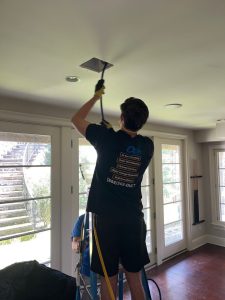
Vacuuming registers and changing filters is maintenance. Professional cleaning addresses the full interior of the duct system using equipment designed specifically for the job.
What Alpha Clean Air’s Residential Service Covers
| Step | What Happens |
| Full system inspection | Entire duct system assessed before any cleaning begins |
| Vacuum extraction | Commercial-grade vacuums create negative pressure throughout |
| Mechanical agitation | Rotating brushes dislodge buildup from full duct wall length |
| Supply and return ducts | Both sides cleaned, not just visible registers |
| Sanitization | EPA-registered, non-toxic solutions eliminate microbial growth |
| Post-cleaning inspection | System verified clean before the technician leaves |
Conclusion
When dust keeps coming back, odors linger, and your HVAC system feels like it is working harder than it should; the problem is already building up inside your ductwork. Waiting longer only increases the strain on your system, raises energy costs, and keeps poor air circulating through your home. Schedule a professional inspection with Alpha Clean Air today and get your air ducts properly cleaned and restored across New Jersey. Book your service now and bring cleaner, healthier, and more balanced air back into every room.
FAQs
How do I know if my air ducts need cleaning?
The most common signs are dust returning quickly after cleaning, allergy or asthma symptoms worse at home than outside, musty odors when the HVAC runs, visible dust from vents, filters clogging faster than normal, uneven airflow between rooms, and rising energy bills without explanation. Any single sign warrants a professional inspection.
How often should air ducts be cleaned?
NADCA recommends every three to five years for most homes. Homes with pets, allergy sufferers, young children, or elderly residents should clean every two to three years. Cleaning should happen immediately after any renovation, pest infestation, mold discovery, water damage, or move into a previously owned home.
Can dirty air ducts make you sick?
Yes. The American College of Allergy, Asthma, and Immunology reports that 50 percent of all illnesses are caused or aggravated by polluted indoor air. Contaminated ductwork continuously recirculates dust mites, mold spores, pet dander, and allergens through the home, worsening conditions many people incorrectly attribute to seasonal causes.
Does air duct cleaning improve energy bills?
It can. Restricted airflow from buildup forces the HVAC system to run longer cycles to reach the thermostat setting. Removing that restriction allows the system to operate at its designed efficiency, which typically reduces energy required to heat and cool the home.