Have you ever thought about what goes on behind the scenes when someone comes to clean your air ducts? Most homeowners just see a technician show up with some equipment, and then the job is done in a few hours. But there is much more happening that you cannot see. The tools and machines that professional air duct cleaners in NJ use are not just simple vacuum cleaners from your local store. These are specialized, heavy duty machines that cost thousands of dollars and require proper training to operate correctly.
According to the National Air Duct Cleaners Association, also known as NADCA, the air inside your home circulates through your HVAC system about 5 to 7 times every single day. That means all the dust, pet dander, pollen, and other stuff just keeps going around and around. Without proper cleaning equipment, all those particles stay stuck inside your ducts and keep coming back into the air you breathe.
The Environmental Protection Agency says indoor air can be 2 to 5 times more polluted than outdoor air. That statistic alone shows why having the right equipment matters so much. When you hire someone to clean your ducts, you want to make sure they have the proper tools to actually get the job done right.
High Powered Vacuum Systems That Do the Heavy Lifting
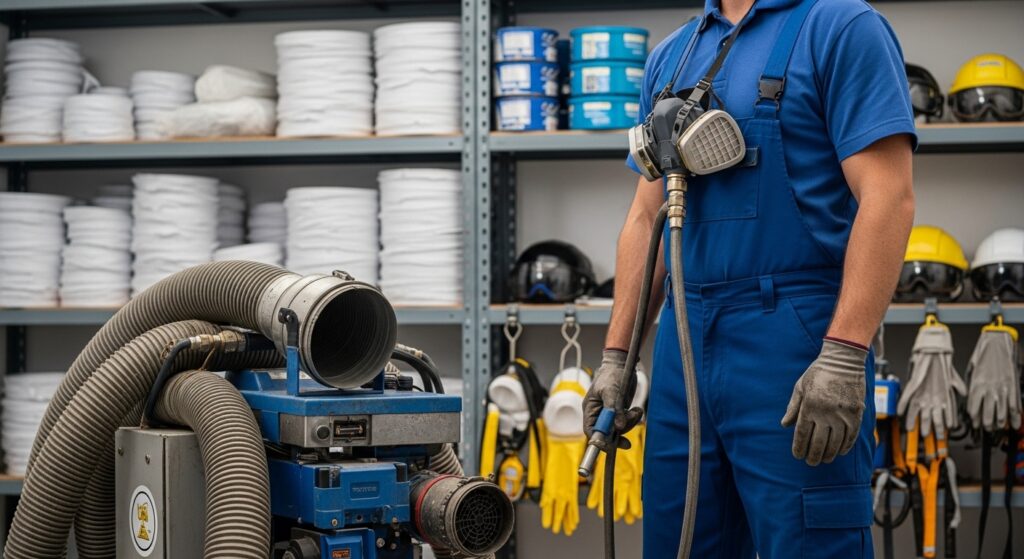
When it comes to air duct cleaning, the vacuum system is like the heart of the whole operation. A professional air duct cleaning company in NJ will use either portable vacuum units or truck mounted systems. Both have their own benefits, and understanding them can help you know what to expect when a technician arrives at your home.
Truck mounted vacuum systems are extremely powerful machines that stay inside a service vehicle parked outside your home. These units can produce anywhere from 10,000 to 15,000 cubic feet per minute of suction power. That is way stronger than anything you would find at a regular store. The main advantage is that all the dust and debris gets sucked directly into the truck, so nothing stays inside your house. These systems are perfect for larger homes and commercial buildings where there is a lot of ductwork to clean.
Portable vacuum systems are smaller but still very powerful for residential jobs. They can be carried inside your home and placed closer to the ductwork being cleaned. Many of these units produce around 1,000 to 3,000 cubic feet per minute of suction. While that sounds less impressive than truck mounted systems, portable units are more flexible and can reach areas that truck hoses cannot access easily. Technicians can move them to different floors, into tight spaces like attics and basements, and areas where a truck mounted hose simply cannot reach.
Both types of vacuum systems typically use HEPA filtration, which is extremely important for indoor air quality. HEPA stands for High Efficiency Particulate Air, and these filters can trap particles as small as 0.3 microns with 99.97 percent efficiency. This means the air coming out of the vacuum is actually cleaner than the air going in. Without HEPA filtration, a vacuum might just blow fine dust particles back into your living space, which defeats the whole purpose of cleaning.
Also read: Air Duct Cleaning vs Air Duct Sanitizing: What’s the Difference?
Rotary Brush Systems That Scrub Your Ducts Clean
A vacuum alone cannot do the whole job properly, and this is something many homeowners do not realize. Dust and debris often stick to the inside walls of your ductwork over time, and simple suction will not pull them off no matter how powerful the vacuum is. That is where rotary brush systems come into play. These tools have spinning brushes that physically scrub the interior surfaces of your ducts, loosening all the buildup so the vacuum can remove it.
Modern rotary brush machines can spin at around 450 revolutions per minute. Some of the newer units even have four powerful vacuum motors that produce 90 percent more suction than older models. The brushes come in different sizes, typically ranging from 4 inches to 28 inches in diameter. This variety allows technicians to clean different sizes of ductwork, from small branch lines that lead to individual rooms to larger trunk lines that connect to your main HVAC unit.
When looking for air duct cleaners in NJ, you should ask them what kind of brush system they use. A company that only uses air whips without proper brushing might leave contaminants stuck on your duct walls. The combination of rotating brushes and strong suction is what NADCA considers the most effective source removal method for getting ducts truly clean.
Here are the main types of brushes that professional technicians use:
- Soft Bristle Brushes: These are gentle enough for flexible ductwork and newer HVAC systems. They remove dust and debris without damaging the interior lining of flex ducts, which can tear easily if treated too roughly. Most residential jobs use soft bristle brushes because they are safe for all duct types commonly found in homes.
- Stiff Bristle Brushes: These are more aggressive and work well on hard metal ductwork found in older homes and commercial buildings. They can remove stubborn buildup that has been sitting there for many years. However, using these on flex ducts could cause serious damage, so technicians need to know which brush to use in different situations.
- Nylon Brushes: These brushes are designed for metal surfaces and clean effectively without scratching the interior of your ductwork. They are a good middle ground between soft and stiff options.
- Silica Carbide Brushes: These are heavy duty options reserved for the toughest commercial and industrial jobs. They work on unlined ductwork where serious buildup needs to be removed through aggressive scrubbing.
Also read: Why Residential Air Duct Cleaning Matters Even in Small Homes
Air Compressors and Air Whips for Deep Cleaning
Air compressors power tools called air whips and compressed air nozzles that are essential for thorough duct cleaning. These tools blast air into the ductwork to dislodge debris from hard to reach areas that brushes might not access easily. They work together with vacuum systems to create negative pressure that pulls all the loosened material out of your home instead of pushing it further into your living space.
Air whips are flexible tools that thrash around inside the ductwork as compressed air flows through them at high speed. The whipping action knocks debris loose from duct walls, corners, and joints where dust and dirt like to hide and accumulate over the years. Compressed air nozzles provide more targeted blasts of air for specific spots that need extra attention, like around register connections and at duct junctions.
Professional air compressors used in duct cleaning can produce anywhere from 150 to 200 PSI of pressure. That is enough force to knock loose even stubborn buildup without damaging the ductwork itself when used correctly. Technicians adjust the pressure based on what type of ducts they are cleaning because flexible ducts need gentler treatment than rigid metal ducts.
The negative pressure method that NADCA recommends involves putting the entire system under continuous vacuum while using these agitation tools. This approach makes sure that fine particles become airborne and get sucked out of your home rather than settling back down inside the ducts or escaping into your rooms.
Video Inspection Cameras Show What is Really Inside Your Ducts
One piece of equipment that separates good companies from average ones is the video inspection camera. These cameras allow technicians to see inside your ductwork before, during, and after cleaning. You get to see exactly what is in there and whether the cleaning actually made a difference, which gives you confidence that the work was done properly.
Modern inspection cameras have flexible cables that can reach up to 45 feet into your duct system. They include LED lights because the inside of your ducts is completely dark, and without proper lighting you cannot see anything at all. The video feeds to a screen where both the technician and homeowner can watch in real time what the camera is showing. Some systems can even record video for documentation so you have a record of the work that was done.
If a company shows up without any camera equipment, that should raise some concerns. How would they know if they cleaned everything properly without being able to see inside the ducts? How would you know if the job was done right? A reputable air duct cleaning company in NJ will always be willing to show you what they find inside your ducts before they start cleaning and what the ducts look like after the work is complete.
Video cameras also help technicians identify other problems that might exist in your ductwork. They can spot disconnected sections, holes or tears, mold growth, pest infestations, and other issues that would otherwise go unnoticed. This information is valuable because these problems can affect your indoor air quality and HVAC efficiency even if the ducts are cleaned.
Foggers and Sanitizers for Complete Treatment
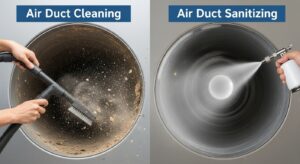
After all the physical cleaning is done, many homeowners want their ducts sanitized as well for extra protection. This is where fogging equipment comes in. Foggers spray a fine mist of sanitizing solution throughout the duct system after debris has been removed. The mist coats all interior surfaces and helps kill bacteria, mold spores, and other microorganisms that might still be present even after thorough cleaning.
EPA registered sanitizing products are safe for residential use when applied correctly by trained technicians. Some companies use botanical based solutions that are non toxic and environmentally friendly, which is important for families with young children or pets. Others use stronger antimicrobial agents for homes where mold or bacterial growth has been confirmed through testing.
According to the U.S. Department of Energy, 25 to 40 percent of energy used for heating and cooling a home is wasted. When contaminants build up in your HVAC system, your equipment has to work harder to push air through the ducts. Clean, sanitized ducts help your system run more efficiently and can lower your energy bills over time while also extending the life of your HVAC equipment.
The fogging process typically happens at the very end of a duct cleaning job. After all the dust, debris, and buildup has been physically removed, the sanitizing mist is applied throughout the system. This provides an extra layer of protection against biological contaminants and leaves your ducts not just clean but also treated against future microbial growth.
Containment and Protection Equipment
Professional duct cleaners also bring equipment to protect your home during the cleaning process. This might seem like a small detail, but it makes a big difference in the quality of service you receive. Drop cloths and plastic sheeting protect your floors and furniture from any dust or debris that might escape during the cleaning process.
Technicians use covers for supply and return registers while working on other parts of the system. This prevents loosened debris from blowing into rooms that are not currently being cleaned. Proper containment is part of what NADCA considers best practices for residential duct cleaning.
Professional air duct cleaners in NJ will also wear appropriate personal protective equipment during the job. This includes masks or respirators to protect themselves from inhaling dust and contaminants, which shows they take the work seriously and understand the potential hazards involved.
Access Tools and Cutting Equipment
Getting into your ductwork requires specialized access tools that most homeowners do not have. Technicians bring equipment to safely remove register covers, access panels, and other components without damaging your walls or HVAC system. They have the right screwdrivers, drills, and specialty tools for different types of fasteners and mounting systems.
In some cases, technicians may need to cut access holes into ductwork to reach areas that cannot be accessed any other way. They bring the proper cutting tools for this along with materials to seal those access points properly when the job is complete. Leaving access holes unsealed would create air leaks that reduce your HVAC efficiency and could allow contaminants to enter your duct system.
Why Equipment Quality Matters for Your Family Health
You might be wondering why any of this matters to you as a homeowner when you are not the one using the equipment. The answer is simple and important. The equipment that air duct cleaners in NJ use directly affects how clean your air becomes after the service. Low quality equipment or improperly maintained tools will leave contaminants behind even if the technician spends hours working. That means the dust, allergens, and bacteria that were supposed to be removed are still circulating through your home.
The average six room house can produce up to 40 pounds of dust every single year just from normal daily living. Some of that dust falls on surfaces where you can see and clean it yourself. But a large portion ends up inside your ductwork, where it just keeps building up year after year until someone removes it properly with professional equipment.
For families with members who have allergies, asthma, or other respiratory conditions, air quality is not just about comfort. It is about health and daily quality of life. Properly cleaned ducts using professional grade equipment can reduce allergy symptoms and make breathing easier for everyone in the home. Children and elderly family members are especially sensitive to poor indoor air quality.
NADCA recommends having your ducts cleaned every 3 to 5 years under normal conditions. If you have pets, smokers in the home, recent renovations, or family members with respiratory issues, you might need cleaning more often. The key is making sure whoever does the cleaning has the right equipment to actually get the job done properly.
Trust Alpha Clean Air for Professional Duct Cleaning in New Jersey
At Alpha Clean Air, we understand that the air inside your home affects everything about your daily life. Your comfort, your health, your energy bills, and your overall quality of life all depend on clean ductwork and a properly functioning HVAC system. That is why we invest in the best equipment available and make sure our technicians are fully trained to use it correctly.
Our team has been serving New Jersey residents with honest, transparent service for years. We believe in doing the job right the first time, every time, because we know your family is depending on clean air. When you choose Alpha Clean Air, you are choosing a company that cares about your family’s health as much as you do.