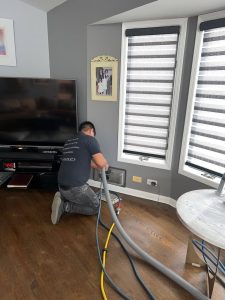
People usually take dryer vent cleaning as another weekend chore. You start pushing it to the next time until something serious happens. The truth is, this one simple task can save you money, extend your dryer’s life, and most importantly, keep your home safe from fire hazards.
Do you know the best time of the year for dryer vent cleaning? No? No problem. Today, we will be guiding you on the best time for dryer vent cleaning and why it is the best. Let’s discuss this in detail.
Why Dryer Vent Cleaning Should Be on Your Annual To-Do List
Every time you dry your clothes, lint, dust, and tiny fabric fibers slip past the lint screen and start collecting inside the vent. Over time, that lint builds up like plaque in the arteries. The dryer struggles to breathe, runs hotter, and works longer.
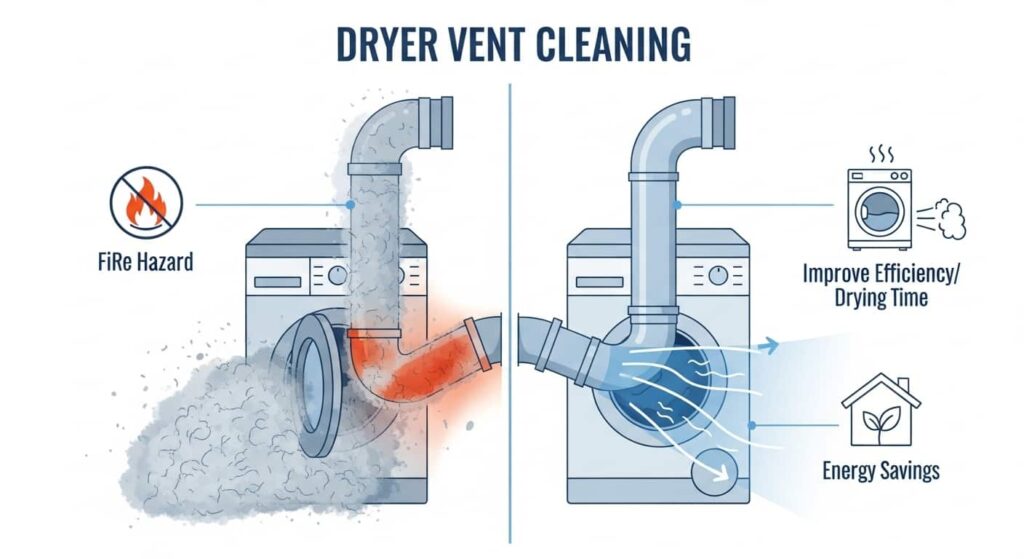
This does three bad things:
- It makes your energy bill climb higher.
- It wears out your dryer faster.
- It creates a serious fire risk.
You’d be surprised how many house fires start in dryer vents every year. Most of them could have been prevented with one good cleaning. It’s worth putting this on your yearly home maintenance calendar. But when should you do it? That’s important.
Why Timing Matters More Than You Think
You might think, I can clean it whenever I get the chance. But choosing the right time of year actually makes a big difference. Dryer vent cleaning works best when done in a low-humidity, mild-weather season, not when you’re buried in laundry or dealing with extreme heat or cold.
The best time isn’t the same for everyone. It depends on:
- Where you live and how humid your climate gets
- How many laundry loads you do each week
- Whether your vent runs through long ducts or short ones
- If your dryer sits in a basement, garage, or upper floor
Clean Your Dryer Vents Once a Year At Least
Most experts recommend cleaning your dryer vent at least once every 12 months. For smaller households that only do a few loads a week, once a year is fine. But if you’ve got a big family, multiple kids, pets, or sports uniforms piling up daily, then twice a year is smarter.
A lot of homeowners pick a specific season and make it part of their yearly rhythm. The two best times? Spring and fall. Let’s break down why those two stand out.
Also read: How Neglected Dryer Vents Can Damage Your Clothing Over Time
Why Spring Is One of the Best Times to Clean Your Dryer Vent
Spring cleaning isn’t just for closets and carpets; it’s perfect for your dryer vent, too. Here’s why spring makes sense:
- Winter was rough on your dryer: Cold months mean heavier fabrics, including blankets, jackets, sweatshirts, and extra loads. Your dryer worked overtime.
- Lint buildup peaks in winter: Indoor humidity and longer cycles leave more lint behind. By spring, that vent is ready for attention.
- Weather helps: Mild temperatures make it easier to move your dryer, open windows, and do a deep clean without freezing or sweating.
- It resets your maintenance year: Cleaning in spring keeps your dryer running efficiently right before summer hits, when laundry usually lightens up.
Why Fall Is the Other Perfect Window
If you skip spring, aim for fall. This season is equally practical and just as smart. Here’s why:
- You’re wrapping up summer laundry: Beach towels, pool clothes, and outdoor gear all add up. After months of use, your vent could use a reset.
- Winter’s heavy laundry is coming: Cold weather brings heavier loads and longer drying times. Cleaning before that happens keeps airflow smooth.
- Debris collects outside: Leaves, dust, and even bird nests can block outdoor vents. A fall cleaning clears that out before the snow or rain arrives.
- Energy efficiency matters more: You’ll soon rely on heat indoors. A clogged vent forces your dryer to run hotter and longer, wasting power when bills already rise.
When to Clean Based on Your Own Habits
Not everyone’s laundry life looks the same. You might wash two loads a week, or you might run your dryer daily. That difference matters when deciding the best time for you.
Heavy Users
If you’ve got a big household, kids in sports, pets that shed, or a small business that washes linens, your dryer works hard. You’ll need to clean the vent twice a year, ideally in spring and fall.
Moderate Users
If you run four or five loads a week, once a year is fine. Pick either spring or fall and stick to that schedule.
Light Users
If you live alone or only wash on weekends, once every 18 months could be enough, but always keep an eye out for warning signs.
Also read: How Much Does Dryer Vent Cleaning Cost?
Warning Signs You Shouldn’t Ignore
Even if it’s not your scheduled cleaning time, certain signs mean you shouldn’t wait another day. Watch for these:
- Your clothes take longer than usual to dry.
- The dryer feels hot to the touch after a cycle.
- You smell a faint burning or smoky odor.
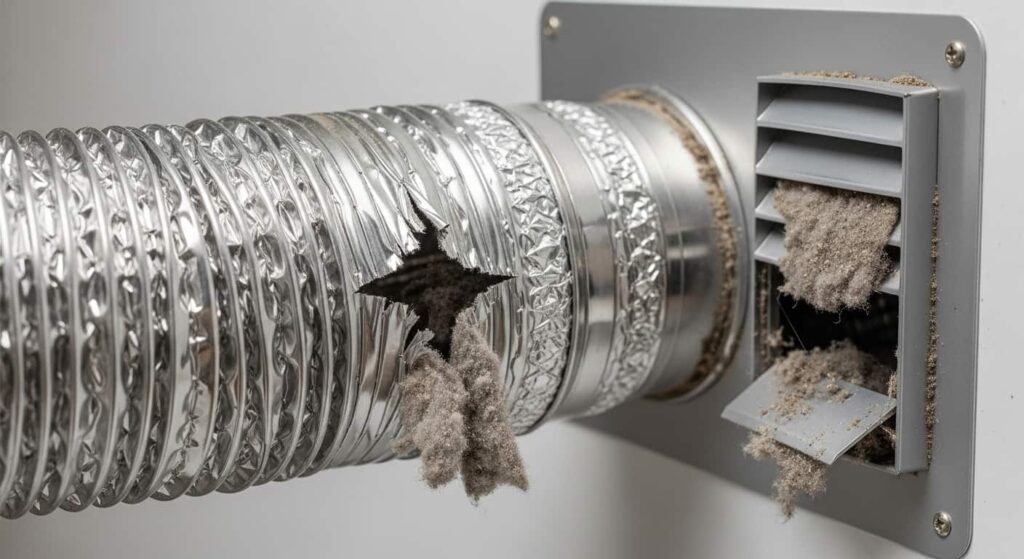
- Lint is collecting around the back of the machine or the outdoor vent.
- The vent flap outside doesn’t open properly when the dryer runs.
- You see lint blowing out of the exterior vent opening.
If any of these happen, it’s time to clean the vent immediately, no matter what month it is.
The Risks of Ignoring Dryer Vent Cleaning
Delaying this task might seem harmless. It’s not. Here’s what happens when you don’t clean your dryer vent regularly:
- Fire Hazard: Lint is extremely flammable. One spark or overheating cycle can cause a house fire in minutes.
- Longer Drying Times: When airflow is blocked, clothes need two or three cycles to dry. That’s a waste of time and power.
- Higher Energy Bills: A clogged vent forces your dryer to work harder. You pay more for electricity or gas every month.
- Shorter Dryer Lifespan: Overheating wears out the motor, sensors, and heating element faster.
- Mold and Odor Issues: Moist air trapped inside ducts can cause mildew buildup and a musty smell in laundry.
DIY or Professional Cleaning – Which Is Better?
This depends on how your vent system is set up.
- DIY cleaning works if your vent run is short, straight, and easy to reach. You can use a dryer vent brush or vacuum attachment to clean it.
- Professional cleaning is better if your vent runs through walls, ceilings, or upper floors. They use high-pressure air tools and rotary brushes that reach places you can’t.
If you’re unsure, have a professional check it once. After that, you’ll know how complex your system is and whether it’s something you can handle next time.
How to Clean Your Dryer Vent Yourself
If you’re comfortable tackling it yourself, here’s the right way to do it safely:
- Unplug the dryer. Always disconnect the power before you start.
- Pull the dryer away from the wall. You’ll need room to access the hose.
- Disconnect the vent hose. Loosen the clamp and remove the duct from the dryer and wall.
- Vacuum inside the hose. Use a vacuum cleaner with a long hose attachment to suck out lint and dust.
- Use a vent cleaning brush. Insert the brush into the duct, twist it, and push it through until you reach the outdoor vent. Pull it back slowly to collect debris.
- Check the outdoor vent flap. Make sure it opens freely and isn’t blocked by lint, leaves, or pests.
- Reattach the hose. Tighten the clamp securely and move the dryer back into place.
- Run a test cycle. Turn the dryer on for a few minutes to ensure strong airflow.
A full DIY cleaning takes about 30 to 45 minutes. Doing this once or twice a year keeps things running smoothly.
Creating a Cleaning Schedule That Works
The best plan is the one you’ll actually stick to. Try this simple method:
- Pick a date in spring or fall.
- Set a phone reminder or calendar alert.
- Combine it with another household task.
- Keep a quick log.
Once it’s part of your routine, it becomes effortless.
When You Should Clean More Often Than Normal
Some situations demand extra attention. You should clean your dryer vent more frequently if:
- You have multiple pets that shed.
- You live in a humid area where moisture builds up faster.
- Your dryer is older or used heavily every day.
- The vent system has many bends or a long run to the outside.
- You notice lint around the outside vent even after cleaning.
In these cases, aim for every six months instead of once a year.
How to Know If Your Cleaning Was Effective
After cleaning, pay attention to how your dryer behaves. You’ll know it worked if:
- Clothes dry in one cycle again.
- The machine feels cooler on the outside.
- The laundry room smells fresher.
- The vent flap outside opens fully when drying.
- You don’t see lint collecting behind the dryer.
If things still feel off, it’s possible the vent beyond your reach remains clogged, a good reason to call a pro for a deeper clean.
Seasonal Comparison: Spring vs. Fall Cleaning
Let’s compare both seasons head-to-head to help you decide your ideal time.
| Factor | Spring Cleaning | Fall Cleaning |
| Dryer workload before cleaning | Heavy winter laundry | Summer outdoor use |
| Outdoor conditions | Mild, dry, great airflow | Cool, crisp, fewer insects |
| Energy efficiency benefit | Ready for summer | Prepares for winter |
| Debris concern | Lint, indoor dust | Leaves, outdoor blockages |
| Overall timing | Cleans after hardest use | Prepares for hardest use |
Tips for Keeping the Vent Clean Between Major Cleanings
Even though full cleanings are once or twice a year, small habits keep the system healthier in between.
- Always clean the lint trap before or after every load.
- Check behind the dryer every few weeks for lint buildup.
- Don’t overload your dryer, it traps more lint.
- Use rigid metal ducts instead of flexible plastic ones. They trap less lint and resist heat better.
- Keep the outdoor vent area free from grass, debris, or nests.
- If your dryer has a moisture sensor, wipe it with a bit of rubbing alcohol monthly to keep readings accurate.
These little steps go a long way in maintaining good airflow.
Final Thoughts: Pick Your Season and Stick to It
If you take away just one thing, let it be this: spring or fall, just choose one and do it every year.
If you need trusted and professional dryer vent cleaning services, contact Alpha Clean Air. We provide expert dryer vent repair and cleaning services at market-competitive rates. Our company is NADCA certified and the technicians are skilled enough to handle your dryer vent without causing any mess.
Feel free to contact us anytime, our customer support is available 24/7.